
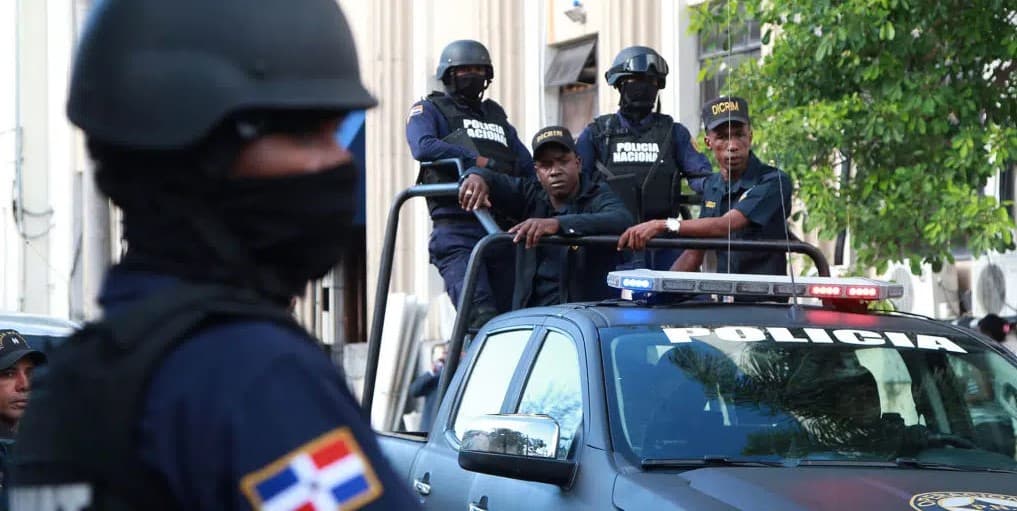
Safety is one of the most frequently asked questions by people considering buying property or relocating to the Dominican Republic. The short answer is nuanced: the country is broadly safe for foreigners who take reasonable precautions, but the experience varies significantly depending on where you live and how you approach daily life.
This article presents the situation factually, without minimizing risks or reinforcing stereotypes.
The Overall Picture
The U.S. State Department classifies the Dominican Republic at Level 2 — "Exercise Increased Caution" — primarily due to crime. This is the same advisory level applied to many popular destinations including Mexico, Jamaica, the Bahamas, and several European countries.
The Dominican Republic's homicide rate has been declining. According to Dominican Police data, the rate dropped to approximately 11.5 per 100,000 inhabitants in 2023, with further decreases in subsequent reporting periods. This is below the Latin American and Caribbean regional average of approximately 20 per 100,000, and well below countries like Mexico (23.3) or Brazil (18.1).
An important detail: the vast majority of violent crime in the Dominican Republic is interpersonal — domestic disputes and social conflicts account for over 40% of homicides. Organized crime-related violence accounts for a much smaller share (roughly 11%). Violent crime targeting foreigners specifically is relatively uncommon.
What Foreigners Actually Experience
Most crimes affecting tourists and foreign residents are non-violent and opportunistic: pickpocketing, bag snatching (often from motorcycles), phone theft, and petty scams. These occur more frequently in crowded urban areas and tourist zones than in residential neighborhoods.
Traffic safety is statistically a greater risk to foreigners than crime. Driving styles can be aggressive, road conditions vary significantly, and motorcycle-related accidents are common. Many expats choose to drive defensively, avoid night driving on unfamiliar roads, or rely on trusted drivers.
Scams targeting foreigners do exist, particularly involving unregistered tour operators, informal real estate transactions, and unverified rental listings. Working with licensed professionals and reputable companies reduces this risk significantly.
Safety by Location
Safety varies considerably across the country.
Tourist zones (Punta Cana, Puerto Plata resorts, La Romana/Casa de Campo) benefit from dedicated tourist police (CESTUR/POLITUR) and resort-level security. Incidents occur but are handled with priority.
Established expat communities (Las Terrenas, Cabarete, parts of Sosúa) generally feel safe for daily life. Crime rates in these areas tend to be lower than in major cities. The Samaná peninsula in particular has among the lowest crime statistics in the country — recent Dominican Police data showed zero armed robberies and zero vehicle thefts in the province during a recent quarterly reporting period.
Santo Domingo varies dramatically by neighborhood. Areas like Piantini, Naco, and Ensanche Paraíso are well-policed and generally safe during the day. Other neighborhoods warrant more caution, particularly after dark.
Santiago de los Caballeros is considered one of the safer major cities, with a more laid-back atmosphere despite its size.
Rural areas are generally quiet but may have limited police presence and slower emergency response times.
Practical Security Advice
The following guidelines reflect the consensus among long-term residents and foreign affairs advisories.
General awareness: Avoid displaying expensive jewelry, electronics, or cash in public. Be particularly alert when using your phone on the street — phone snatching is common. Travel with a partner or group when possible, especially at night.
Transportation: Use registered taxis or ride-hailing apps (InDriver, DiDi) rather than unmarked vehicles. Avoid motoconchos (motorcycle taxis) for safety reasons. If driving, keep windows up and doors locked at traffic lights in urban areas.
At home: Choose residences in gated communities or buildings with security when possible. Get to know your neighbors — local community awareness is one of the most effective security measures.
At night: Avoid walking alone after dark in unfamiliar areas. This applies to all cities, including tourist zones. Use transportation even for short distances.
Financial precautions: Use ATMs inside banks or shopping centers rather than on the street. Monitor credit card transactions — card fraud has been reported, particularly in Santo Domingo and resort areas.
Emergency Resources
The nationwide emergency number is 911. Tourist police (POLITUR) can be reached at 809-222-2026. In tourist areas, POLITUR officers are visible and generally responsive.
Private hospitals in major cities and tourist areas provide quality emergency care. Response times vary in rural areas — having a plan for medical emergencies is recommended regardless of location.
For Property Buyers Specifically
When evaluating a property purchase, consider the security profile of the specific neighborhood, not just the city. Ask about security measures in the building or community (guards, cameras, access control). Verify whether the area has reliable police coverage and proximity to medical facilities.
Gated communities and managed residential developments offer an additional security layer that many foreign buyers prefer. However, these come with HOA fees that reflect the cost of those services.
Property managers or caretakers are recommended for owners who are not present year-round, both for maintenance and for security presence.
Context Matters
Much of the negative perception of safety in the Dominican Republic is shaped by its association with the broader Caribbean and Latin American region, by isolated incidents that receive disproportionate media coverage, and by confusion with neighboring Haiti's very different security situation.
The reality for most foreign residents and property owners is that daily life feels normal and manageable. Common-sense precautions — the same ones you would apply in any major city worldwide — go a long way.
The Dominican Republic is not risk-free. No country is. But it is a place where hundreds of thousands of foreigners live, work, and invest with confidence. Informed preparation, rather than fear, is the right approach.