
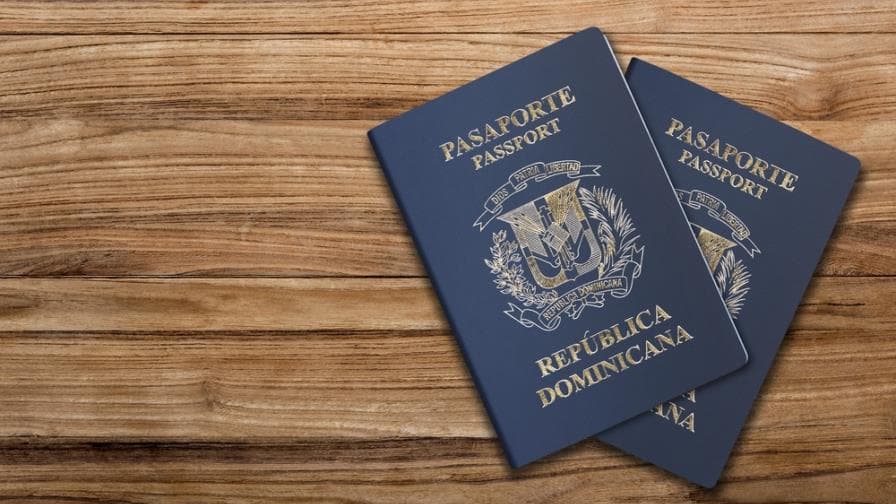
Moving to the Dominican Republic — whether for retirement, investment, work, or lifestyle — eventually involves one fundamental question: how do I formalize my legal status?
The Dominican Republic offers a structured residency pathway for foreigners. The process moves through defined stages, each with its own requirements, costs, and timelines. This guide covers the full trajectory from initial visa to permanent residency, based on the current framework.
The Residency Path: An Overview
The Dominican immigration system follows a sequential process:
Step 1: Entry visa → Allows legal entry into the country Step 2: Temporary residency → Renewable annual permit Step 3: Permanent residency → Indefinite status, renewed every 4 years Optional Step 4: Naturalization → Dominican citizenship (after meeting eligibility criteria)
Each step builds on the previous one. You cannot skip directly to permanent residency — temporary residency is a prerequisite.
Step 1: The Residence Visa
Before applying for residency in the DR, you typically need a specific visa that corresponds to your reason for moving. This visa is applied for through the Dominican consulate in your home country or country of current residence.
The main residency visa categories relevant to property buyers and expats:
Investor residency (Inversionista): For individuals who invest a minimum amount in Dominican real estate, businesses, or financial instruments. The minimum investment threshold has historically been around $200,000 USD, but verify the current requirement with the Dirección General de Migración (DGM).
Pensioner/Retiree residency (Pensionado/Rentista): For individuals who receive a verifiable monthly income from a pension, retirement fund, or stable income source. The minimum monthly income requirement has historically been $1,500 USD, but this figure is subject to change.
Work residency (Dependiente laboral): For individuals employed by a Dominican company with a valid work contract.
Family reunification (Dependiente de residente): For immediate family members of an existing Dominican resident.
Documentation Typically Required for the Visa Application
While specific requirements vary by visa category, the standard documentation package generally includes:
- Valid passport (minimum 6 months validity beyond intended stay)
- Birth certificate — apostilled and translated into Spanish by a certified translator
- Marriage certificate (if applicable) — apostilled and translated
- Police clearance certificate from your country of residence (and any country where you've lived for an extended period) — apostilled and translated
- Medical certificate (some applicants may need specific health screenings)
- Proof of financial means corresponding to your visa category (investment proof, pension statements, employment contract)
- Passport-sized photos (specific format required)
- Application forms and fees
Apostille requirement: All foreign documents must bear an apostille (for countries that are members of the Hague Apostille Convention) or be legalized through the appropriate diplomatic channel. Documents not in Spanish must be translated by a certified translator recognized by Dominican authorities.
Important: Document requirements and fees change. The Dirección General de Migración (DGM) website and Dominican consulates in your country provide the most current information. Working with a Dominican immigration attorney is strongly recommended to avoid delays caused by incomplete or incorrectly prepared documentation.
Step 2: Temporary Residency (Residencia Temporal)
Once your residence visa is approved and you enter the Dominican Republic, you apply for temporary residency through the DGM.
What Temporary Residency Provides
- Legal right to live in the Dominican Republic
- Ability to open bank accounts, sign contracts, and conduct business
- Access to the Dominican healthcare system
- A Dominican cédula de identidad (identification card) for foreigners — your essential ID document for daily life
Duration and Renewal
Temporary residency is initially granted for one year and must be renewed annually. Each renewal requires submitting updated documentation and paying the renewal fee.
Key point: Maintain continuous legal status. Gaps in your residency — failing to renew on time, or spending extended periods outside the country without proper documentation — can complicate your path to permanent residency.
Costs
Temporary residency involves several fees:
- DGM application/processing fee
- Cédula issuance fee
- Legal fees if using an immigration attorney (recommended)
- Translation and apostille costs for documents
Total first-year costs (including legal fees) typically range from $1,000 to $3,000 USD depending on the visa category and whether you use professional assistance.
Step 3: Permanent Residency (Residencia Permanente)
After maintaining temporary residency for the required period, you become eligible to apply for permanent residency.
The Timeline
Under Dominican immigration law, you can apply for permanent residency after holding temporary residency for a minimum period. Historically, this has been:
- Investor and Pensioner categories: Eligible after approximately 2 years of temporary residency (accelerated track)
- Work and Family Reunification categories: Eligible after approximately 5 years of temporary residency (standard track)
Note: These timelines are based on the legal framework as commonly applied, but processing times and specific eligibility windows can vary. The DGM has discretion in evaluating applications, and administrative backlogs can affect actual processing time.
What Permanent Residency Provides
- Indefinite right to live and work in the Dominican Republic
- No annual renewal requirement (renewed every 4 years, but this is largely administrative)
- Greater stability for long-term planning: property ownership, business operations, family establishment
- Eligibility pathway toward Dominican citizenship (naturalization), if desired
Documentation for Permanent Residency
The application typically requires:
- Proof of continuous temporary residency for the required period
- Updated police clearance
- Updated medical certificate
- Proof of ongoing financial means or economic activity in the DR
- Tax compliance documentation (DGII)
- Current cédula
- Application forms and fees
Processing Time
Permanent residency applications can take several months to over a year to process. During this period, your temporary residency remains valid as long as you've maintained it properly.
Practical Considerations
Work with a Professional
Dominican immigration law is navigable, but the bureaucratic process — document preparation, translations, apostilles, DGM appointments, follow-ups — is time-consuming and detail-sensitive. An experienced immigration attorney or registered immigration consultant can:
- Ensure your documentation package is complete and correctly prepared
- Manage the application process and DGM interactions
- Navigate any complications (missing documents, additional requests, delays)
- Advise on the optimal visa category for your situation
You can find qualified immigration lawyers and legal professionals through Area Vista's Resources directory.
Maintain Your Status
The most common mistake expatriates make is letting their residency lapse — missing a renewal deadline, not updating addresses, or failing to report extended absences. This can reset your timeline toward permanent residency.
Set calendar reminders for renewal deadlines and keep copies of all submitted documents.
Property Ownership and Residency Are Separate
An important clarification: you do not need Dominican residency to purchase property in the Dominican Republic. Foreigners can buy and own real estate with or without any residency status.
However, if you plan to live in the DR — not just own property — then establishing residency is both a legal requirement and a practical necessity for accessing banking, healthcare, and other services.
For more on the property purchase process: What Are the Steps to Buy Property in the Dominican Republic?
Taxation
Dominican residents are subject to taxation on their worldwide income. Before establishing residency, consult with a Dominican tax advisor (and potentially a tax advisor in your home country) to understand the implications, including:
- Dominican income tax obligations
- Double taxation treaties (the DR has treaties with several countries)
- Reporting requirements in your home country for foreign income and assets
- CONFOTUR benefits if your property is in an eligible zone
Planning Your Move
Whether you're at the research stage or ready to begin the residency process, the first step is understanding the Dominican Republic's real estate market and finding the right home.