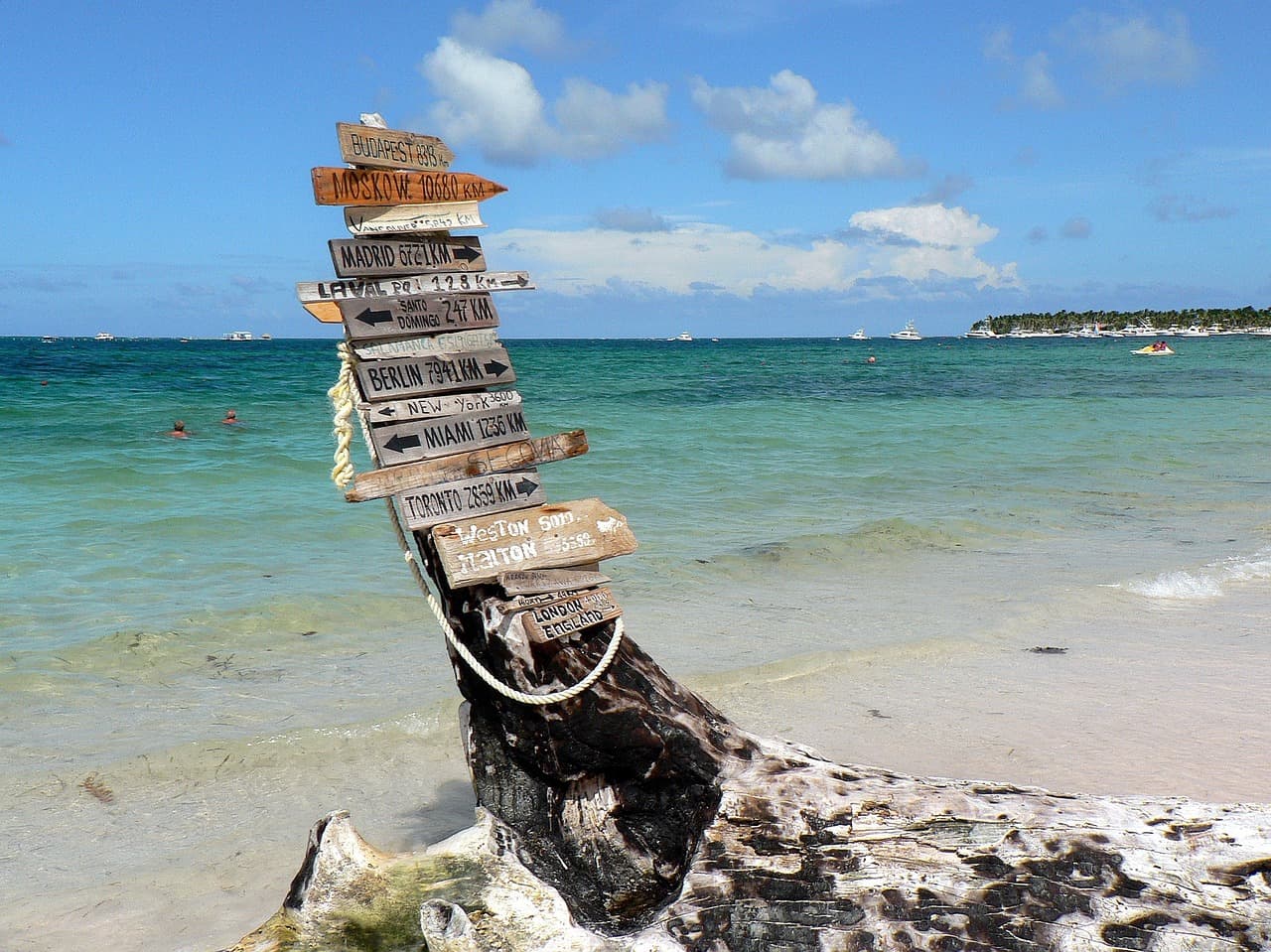
The Dominican Republic welcomed over 10 million tourists in 2024, and short-term rental demand continues to grow — particularly in Punta Cana, Las Terrenas, Samaná, Cabarete, and Santo Domingo's Colonial Zone. For property owners, this creates a real opportunity to generate rental income, but only if the fundamentals are in place.
Starting a short-term rental isn't just about listing a property online. It requires understanding the local market, setting realistic expectations, and building a system that works consistently. Here are ten practical lessons drawn from the Dominican context.
1. Understand the Dominican Regulatory Landscape
Before listing anything, research what applies to your specific location. The Dominican Republic does not yet have a unified national framework for short-term rentals the way some countries do, but local regulations, condominium bylaws, and tourism-related tax obligations still apply.
Key points to verify:
- Whether your condominium or residential community allows short-term rentals
- Your obligations regarding ITBIS (the Dominican VAT, currently 18%) on rental income
- Whether your property falls under a CONFOTUR-eligible zone, which may offer tax advantages
- Municipal requirements in your specific area
Getting this right from the start prevents complications later. If you're unsure, consult a local attorney who specializes in real estate — you can find qualified professionals through platforms like Area Vista's Resources directory.
2. Choose a Property That Works for Short Stays
Not every property makes a good short-term rental. What works for long-term tenants — quiet location, minimal furnishing, large spaces — doesn't necessarily appeal to travelers.
Short-term rental guests in the DR typically prioritize:
- Proximity to beaches, restaurants, or attractions
- Reliable infrastructure: consistent water, electricity (or backup generator/inverter), and internet
- Security: gated communities, doorman buildings, or monitored access
- Air conditioning: non-negotiable in the Dominican climate
- Pool access: a significant differentiator, especially outside Santo Domingo
If you're purchasing a property specifically for STR, think like a guest, not like a homeowner.
3. Price Based on Data, Not Assumptions
Pricing is where most new hosts get it wrong. Setting rates based on what you think the property is worth — rather than what the market actually supports — leads to either empty calendars or undervalued inventory.
Research comparable properties in your area across multiple platforms. Look at:
- Nightly rates for similar property types (studio, 1BR, 2BR, villa)
- Occupancy patterns by season (high season in DR typically runs December–April)
- Rate differences between weekdays and weekends
- What extras are included (cleaning, airport transfer, concierge)
Adjust your pricing dynamically. A property in Punta Cana during Semana Santa commands very different rates than the same property in September.
4. Invest in Professional Photography
In the short-term rental market, your photos are your first showing. Listings with professional-quality images consistently outperform those with phone snapshots — in click-through rates, booking inquiries, and the rates guests are willing to pay.
This doesn't necessarily require hiring a photographer (though it helps). At minimum:
- Shoot during daylight hours with natural light
- Clean and stage every room before photographing
- Show the view, the pool, the terrace — the elements that sell the experience
- Include exterior shots and neighborhood context
- Avoid wide-angle distortion that makes rooms look misleadingly large
Guests who feel misled by photos leave negative reviews. Accuracy builds trust.
5. Build a Reliable Local Support System
Unless you live next to your rental property, you need people on the ground. The Dominican market has specific operational realities that remote management alone can't handle:
- Cleaning crews who can turn over a property on short notice, reliably
- A maintenance contact for plumbing, electrical, or appliance issues (these happen more frequently in tropical climates)
- A local point of contact for guest check-in and emergencies
- A property manager if you prefer hands-off operation (expect to pay 15–25% of gross revenue)
The quality of your local team directly determines your review scores. A great property with unreliable support will underperform a decent property with excellent service.
6. Create a Guest Experience, Not Just a Place to Sleep
The most successful short-term rentals in the DR don't just offer accommodation — they offer a curated experience. This doesn't require luxury. It requires attention.
Elements that consistently generate positive reviews:
- A welcome guide with local restaurant recommendations, emergency numbers, Wi-Fi password, and house rules (ideally in Spanish, English, and French)
- Basic supplies for the first night: drinking water, coffee, soap, toilet paper
- Clear instructions for appliances, A/C, water heater, generator
- Local recommendations that feel personal, not generic
- Responsive communication — especially in the first 24 hours after check-in
Small touches create disproportionate impact on reviews. And reviews determine your long-term success.
7. Diversify Your Visibility
Relying on a single booking platform is a strategic risk. Algorithm changes, policy shifts, or increased commission rates can significantly impact your business overnight.
List your property across multiple channels:
- International platforms for volume and reach (each with their own commission structure)
- Area Vista for commission-free visibility on a platform built specifically for Dominican real estate — reaching both local and international travelers actively searching in the DR
- Direct booking channels (your own website or social media) for returning guests
- Local networks — property management companies, tourism operators, and relocation services that refer guests
The goal is to reduce dependency on any single source while maximizing your total exposure.
8. Set Clear House Rules and Enforce Them
House rules aren't just about protecting your property — they set expectations that lead to better guest experiences for everyone.
Be explicit about:
- Maximum occupancy (this is also a safety and liability issue)
- Noise policies, especially in shared buildings or gated communities
- Pet policies
- Smoking policies
- Check-in and check-out times and procedures
- What happens if rules are violated (additional charges, early termination)
Publish these rules in your listing, include them in your welcome guide, and make sure they're visible in the property. Clarity prevents conflict.
9. Track Your Numbers
Running a short-term rental is running a small business. Treat it accordingly.
Track monthly:
- Gross revenue (total income before expenses)
- Occupancy rate (nights booked vs. nights available)
- Average daily rate (ADR)
- Operating expenses: cleaning, maintenance, utilities, internet, platform fees, property management
- Net operating income: what you actually keep
These numbers tell you whether your pricing works, whether your expenses are sustainable, and whether the investment justifies the effort. Without data, you're guessing.
10. Think Long-Term, Not Just Next Booking
The short-term rental market in the DR is maturing. Early entrants who built solid operations and strong reputations are in the best position as competition increases.
Focus on building:
- A review history that compounds over time (every 5-star review makes the next booking easier)
- Returning guests who book directly and recommend you to others
- A property that improves — small upgrades, better furnishing, faster Wi-Fi
- A brand, even if it's just your name — consistency, reliability, and quality that guests associate with your property
Short-term rentals are not passive income. They're an active business that rewards consistency and care.
Ready to List Your Short-Term Rental?
Area Vista is the Dominican Republic's real estate portal — built locally, with international reach. For short-term rental owners and managers, we offer commission-free listing plans designed to give your property structured, permanent visibility to travelers searching specifically for accommodation in the DR. No commissions. No booking fees. Just visibility.
Explore STR Pro plans