
The Dominican Republic attracts a growing number of foreign residents — retirees, remote workers, entrepreneurs, and families — drawn by its climate, affordability, and accessibility from North America and Europe. But where you choose to live matters as much as the decision to move.
Each region has its own character, cost profile, infrastructure level, and community dynamics. This guide provides an honest, location-by-location overview to help you understand what to expect.
Santo Domingo
Who it's for: Professionals, entrepreneurs, families, people who want full urban infrastructure.
Santo Domingo is the capital and the country's economic center. It offers the most complete urban experience: international schools, private hospitals (CEDIMAT, HOMS, Centro de Gastroenterología), a growing culinary scene, shopping centers, and a developing public transportation network.
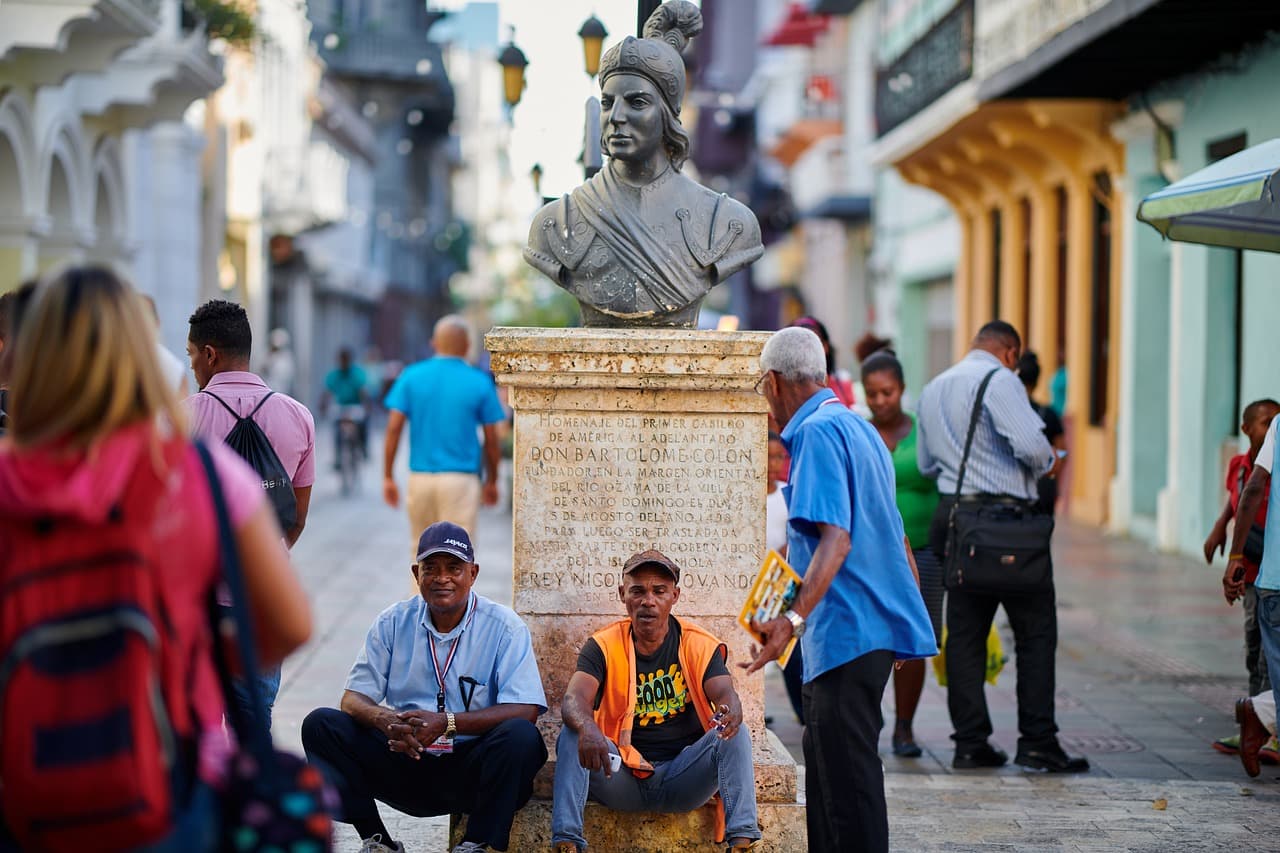
Neighborhoods of note: Piantini and Naco are the upscale commercial districts. Gazcue has a more local, residential feel near the Malecón. Ensanche Paraíso and Los Cacicazgos offer quieter residential options. The Colonial Zone appeals to those who value historical architecture and walkability.
Rental range: One-bedroom apartments in central areas typically range from US$500 to US$1,200/month. Larger apartments or houses in premium neighborhoods can reach US$2,000+.
Considerations: Traffic congestion is significant. Power outages occur, though less frequently in areas with inverter and generator backup. The city has limited green space compared to coastal alternatives. It can feel overwhelming for people expecting a quiet Caribbean lifestyle.
Punta Cana / Bávaro
Who it's for: Retirees, families in resort-style communities, real estate investors focused on short-term rental income.
Punta Cana is the country's primary tourism hub. Its real estate market caters heavily to foreign buyers, with numerous gated communities, golf developments, and condo projects. Infrastructure has expanded significantly, including international schools, clinics, and commercial areas.
Rental range: US$600 to US$1,500/month for a furnished condo. Resort-style villas range from US$1,500 to US$3,500.
Considerations: The area is tourism-dependent, which affects pricing and community dynamics. Day-to-day living can feel somewhat disconnected from Dominican culture. Services are widely available, but some residents describe a "bubble" effect. The real estate market has a higher proportion of speculative development — due diligence is important.
Las Terrenas
Who it's for: Expats seeking a cosmopolitan beach community, Europeans, digital nomads, small business owners.
Las Terrenas, on the Samaná peninsula, has the most established European expat community in the country. The town has a distinctive character — French bakeries alongside Dominican colmados, Italian restaurants next to local comedores. It offers a walkable center, beaches within minutes, and an active social scene.
Rental range: US$500 to US$900 for a one-bedroom apartment. Villas near the beach range from US$1,000 to US$2,500.
Considerations: Infrastructure is improving but still limited compared to Santo Domingo. Healthcare options are basic — serious medical needs require travel to Santo Domingo (3+ hours by road). The community is tight-knit, which is a strength for those who integrate but can feel insular. The real estate market has appreciated considerably in recent years. Road conditions can be challenging, especially during the rainy season.
Cabarete
Who it's for: Active lifestyle seekers, kitesurfers and watersports enthusiasts, younger expats, digital nomads.
Cabarete sits on the north coast and is internationally known for kiteboarding and surfing. It offers a relaxed beach atmosphere with a more youthful, active demographic. The town has seen recent development in coworking spaces and residential projects.
Rental range: US$450 to US$800 for a one-bedroom. Modern condos range from US$900 to US$2,000.
Considerations: Cabarete is small. Amenities are more limited than in larger centers. Nightlife is concentrated in a few blocks, which can be lively or noisy depending on preference. Serious healthcare requires travel to Puerto Plata or Santiago. The community is transient — many residents come and go seasonally.
Sosúa
Who it's for: Retirees, budget-conscious expats, property investors looking for value.
Located near Puerto Plata on the north coast, Sosúa offers a lower cost of entry than most other expat destinations. The town has a significant expat population and the basics — supermarkets, restaurants, pharmacies, and clinics. New development projects are beginning to reshape the area.
Rental range: US$400 to US$700 for a small apartment. Houses range from US$800 to US$1,800.
Considerations: Sosúa has a complicated reputation. While efforts to revitalize the town continue, it has historically struggled with issues related to nightlife tourism. Newer developments and gated communities offer a different experience from the town center. Property prices are among the lowest in major expat areas, which attracts investors but also raises questions about long-term value.
Santiago de los Caballeros
Who it's for: Those wanting a Dominican city experience, business owners, families seeking affordability with urban infrastructure.
Santiago is the country's second-largest city, located in the Cibao valley. It's the economic hub of the northern region — more industrial and commercial, less tourism-oriented. The city has good healthcare facilities, universities, and a developing restaurant and cultural scene.
Rental range: US$350 to US$700 for a one-bedroom apartment. Santiago is significantly more affordable than Santo Domingo.
Considerations: Santiago is not a beach destination. The city is warmer than coastal areas, with fewer cooling breezes. The expat community is smaller but growing. It offers the most authentic Dominican urban experience among major cities.
Samaná (Town and Peninsula)
Who it's for: People seeking quiet, rural-adjacent living with natural beauty. Low-key retirees, nature enthusiasts.
The broader Samaná peninsula — including the town of Samaná, Las Galeras, and El Limón — offers some of the country's most dramatic landscapes. Security statistics are among the best in the country: recent Dominican Police data show extremely low crime rates in the province.
Rental range: US$300 to US$600 for local rentals. More upscale options from US$700 to US$1,500.
Considerations: Infrastructure is genuinely limited. Electricity, water, and internet service can be unreliable outside of established communities. The area is remote — essential services, healthcare, and shopping may require significant travel. It's beautiful and peaceful, but requires a higher tolerance for inconvenience.
How to Choose
There is no single "best" place. The right location depends on your priorities: urban convenience vs. beach lifestyle, budget constraints vs. amenity expectations, community integration vs. independence, healthcare access vs. natural beauty.
Practical advice:
Visit before committing. Spend at least two to four weeks in your target location, preferably during different seasons. Rent before buying — the gap between vacation impressions and daily life is real. Talk to people who already live there, not just real estate agents. Evaluate infrastructure honestly: electricity reliability, internet speed, water quality, road conditions, and proximity to healthcare.
The Dominican Republic offers genuine quality of life at a fraction of what comparable locations cost in North America or Europe. But the experience varies dramatically from one town to the next. Informed choices lead to better outcomes.